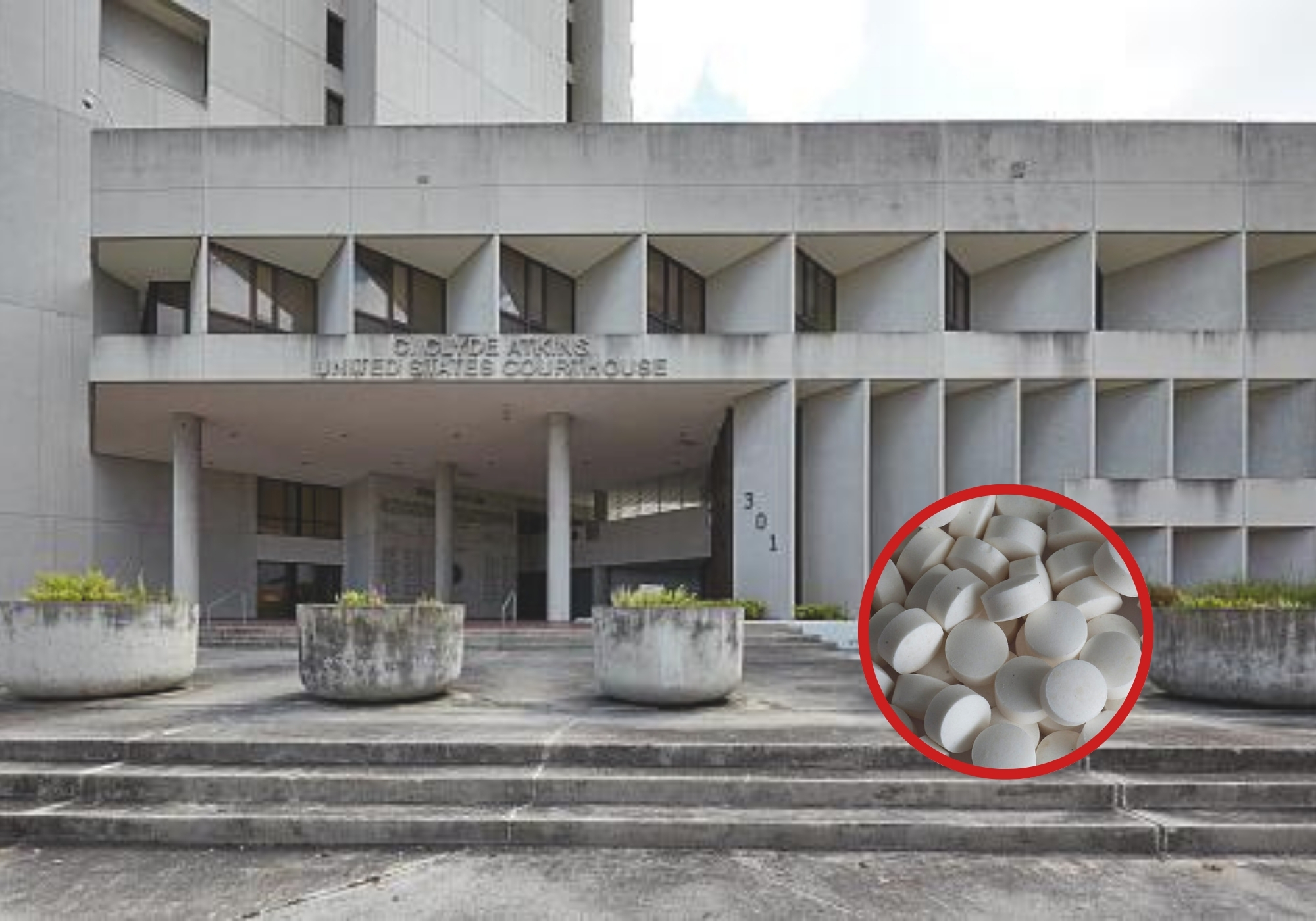
Olushola Yusuf, the former owner of pharmacies in Pembroke Pines and Margate, has been convicted in a significant opioid conspiracy case in Broward County. The verdict marks a major development in South Florida’s ongoing efforts to combat the illegal distribution of prescription painkillers, specifically oxycodone. While the conviction occurred in Broward, the implications ripple across Miami-Dade and Palm Beach counties, where similar pharmacy networks have faced scrutiny in recent years. This case highlights the intense legal and regulatory pressure now placed on pharmaceutical providers in the tri-county area.
The Verdict and Legal Context
According to reports, Olushola Yusuf was found guilty of participating in a conspiracy to distribute controlled substances. The charges stem from his operation of pharmacies in Pembroke Pines, located in Broward County, and Margate, also in Broward. The conviction is part of a broader federal and state crackdown on "pill mills" and corrupt pharmaceutical practices that fueled the opioid crisis in South Florida throughout the 2010s and early 2020s.
Yusuf now faces decades in prison. The severity of the sentence reflects the gravity with which courts are treating cases involving the systematic diversion of opioids like oxycodone. Prosecutors argued that the pharmacies under Yusuf’s control did not operate as legitimate medical facilities but rather as distribution hubs for illegal drug trafficking. This distinction is crucial in South Florida jurisprudence, where the line between aggressive pain management and illegal distribution has been the subject of numerous high-profile trials.
The case underscores the continued vigilance of law enforcement agencies in Broward and Miami-Dade counties. Despite significant progress in shutting down notorious pill mills, authorities remain focused on identifying and prosecuting individuals who exploit loopholes in the healthcare system. The conviction sends a clear message to pharmacy owners and medical practitioners across the region: compliance with federal and state regulations is non-negotiable.
Impact on South Florida’s Pharmaceutical Landscape
South Florida, particularly the corridor stretching from Miami-Dade through Broward to Palm Beach, has historically been a hotspot for prescription drug abuse. Cities like Pembroke Pines and Margate were once ground zero for the pill mill epidemic. However, the landscape has shifted dramatically over the last decade. Stricter laws, enhanced monitoring systems, and aggressive prosecutions have reduced the number of illegitimate operations.
For residents in Miami-Dade County, including neighborhoods like Kendall and Doral, this case serves as a reminder of the importance of obtaining prescriptions through legitimate medical channels. The convergence of healthcare and law enforcement in these cases often involves complex investigations that span multiple jurisdictions. In Yusuf’s case, the connection between his Pembroke Pines and Margate locations suggests a coordinated effort that drew the attention of federal investigators.
The local community in Pembroke Pines has seen a transformation as these illegal operations are dismantled. Legitimate pharmacies and healthcare providers now operate under stricter oversight, ensuring that patients receive appropriate care without contributing to the black market for opioids. This shift has improved public health outcomes and restored trust in local medical institutions.
Broader Implications for Healthcare Providers
The conviction of Olushola Yusuf is not an isolated incident but part of a sustained campaign against pharmaceutical fraud in South Florida. Healthcare providers in Miami-Dade, Broward, and Palm Beach counties must adhere to rigorous standards when prescribing controlled substances. Failure to do so can result in severe criminal penalties, loss of medical licenses, and permanent damage to professional reputations.
Regulatory bodies have implemented advanced tracking systems to monitor prescription patterns. These systems allow authorities to identify anomalies and investigate potential misconduct promptly. For pharmacy owners, this means maintaining detailed records, verifying patient identities, and ensuring that all prescriptions are issued for legitimate medical purposes. The era of lax oversight is over, and the consequences for non-compliance are severe.
As South Florida continues to recover from the opioid crisis, cases like this reinforce the importance of integrity in healthcare. Community members are encouraged to report suspicious activities at local pharmacies or medical offices. Public awareness and cooperation with law enforcement are vital components of ongoing prevention efforts.
FAQ
What was Olushola Yusuf convicted of?
Olushola Yusuf was convicted of conspiracy to distribute controlled substances, specifically oxycodone, through pharmacies he operated in Pembroke Pines and Margate, Broward County.
Where did the illegal activities take place?
The illegal activities primarily took place in Broward County, specifically in the cities of Pembroke Pines and Margate, though the case has implications for the broader South Florida region including Miami-Dade.
What are the potential penalties for this conviction?
Yusuf faces decades in prison. The exact sentence will depend on federal sentencing guidelines and any additional factors considered by the judge during sentencing.
How does this case affect local residents in South Florida?
This case reinforces the crackdown on illegal prescription drug distribution, encouraging residents to use legitimate healthcare providers and remain vigilant against pharmaceutical fraud in their communities.
Source: Miami New Times (link)